
Cook Once, Eat Twice: How to Get Two Meals Out of One Night of Cooking
Cooking a little extra at dinner means tomorrow's lunch is already done. It saves money, saves time and keeps you away from the drive-thru on busy days.
By The Founder · November 1, 2026
3 min read · Budget
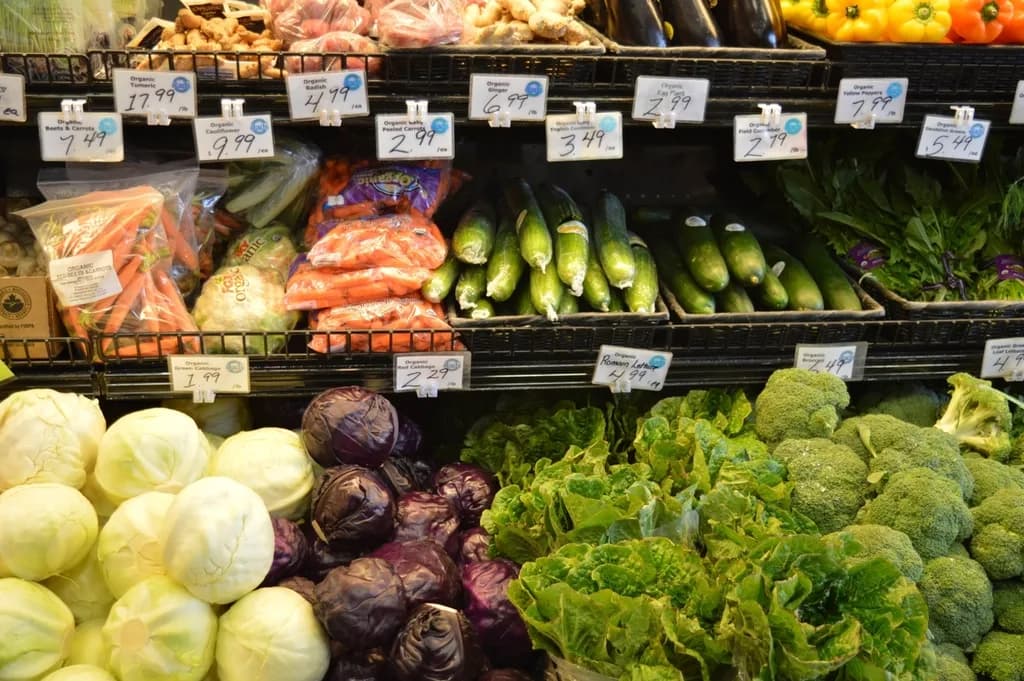
Most of us don't skip healthy meals because we don't care. We skip them because it's 12:30, we're busy, and the closest thing is a drive-thru.
Here's a habit that fixes the lunch problem without adding a single night of cooking: when you make dinner, make extra on purpose. Tonight's dinner becomes tomorrow's lunch.
Why it works
It saves money. Food bought in bigger amounts usually costs less per serving. A family pack of chicken thighs or a 2-pound bag of rice costs less per meal than buying small amounts, and a homemade lunch costs a fraction of eating out.
It saves time. Cooking four servings takes about the same time as cooking two. The oven is already hot and the cutting board is already out.
It takes the decision away. The hardest part of eating well is often deciding what to eat when you're tired and hungry. If lunch is already in the fridge, the decision is made.
Meals that work best
Some dishes taste just as good the next day. Some are even better.
- Sheet-pan dinners: chicken thighs, potatoes and green beans, or sausage with peppers and onions. Roast a full pan and pack half.
- Soups, stews and chili: they keep well and the flavors blend overnight.
- Rice or grain bowls: cook a bigger pot of rice, beans or lentils and top them differently each day.
- Slow cooker and pressure cooker meals: pulled chicken, beef stew and red beans and rice all make plenty.
Dishes that don't reheat as well: anything fried and crispy, delicate fish, and salads that are already dressed. Keep the dressing on the side.
How to pack it
- Portion it right away. Before you sit down to eat, put tomorrow's portion in a container. That way it doesn't turn into seconds.
- Cool it quickly. Put leftovers in the fridge within 2 hours of cooking. Shallow containers cool faster than one big pot.
- Use it within 3 to 4 days. If you made a big batch, freeze some portions for next week.
- Reheat until it's hot all the way through, to 165°F.
Keep it from getting boring
Eating the exact same meal twice in a row is where most people give up. Change one thing:
- Change the form. Last night's roast chicken becomes chicken tacos, a wrap, or chicken over a bagged salad.
- Change the sauce. Add salsa, a squeeze of lime, hot sauce, or a spoon of plain yogurt with garlic.
- Add something fresh. Chopped tomatoes, cucumber, herbs or a handful of spinach make leftovers feel new.
A sample week
You don't have to do this every night. Two or three times a week is enough to make a difference.
- Monday: sheet-pan chicken thighs, potatoes and green beans. Pack two servings.
- Tuesday lunch: the chicken sliced over salad greens with the potatoes on the side.
- Wednesday: a pot of turkey chili. Pack two servings and freeze two.
- Thursday lunch: chili with a few corn tortillas or a small baked potato.
- Friday: a big pan of fried rice with eggs and frozen vegetables. Saturday's lunch is done.
Good for blood sugar too
A planned lunch is usually a more balanced lunch. When you pack leftovers from a dinner that has vegetables, protein and a sensible portion of starch, you skip the fast-food meal that's mostly bread and fries. Eating at regular times, instead of skipping lunch and overeating later, also helps many people feel steadier through the afternoon.
The bottom line
Cook once, eat twice is one of the simplest ways to eat better for less. Next time you cook dinner, double it, pack half, and see how much easier tomorrow feels.
FÜDAVA plans this for you. Turn on "Cook once, eat twice" in Settings and your next plan turns each dinner into the next day's lunch, with the grocery list to match. The Android app is in early testing now. Join the testers here.
This article is general information, not medical advice. If you have diabetes or take medicine that lowers blood sugar, talk to your doctor before changing how you eat.